


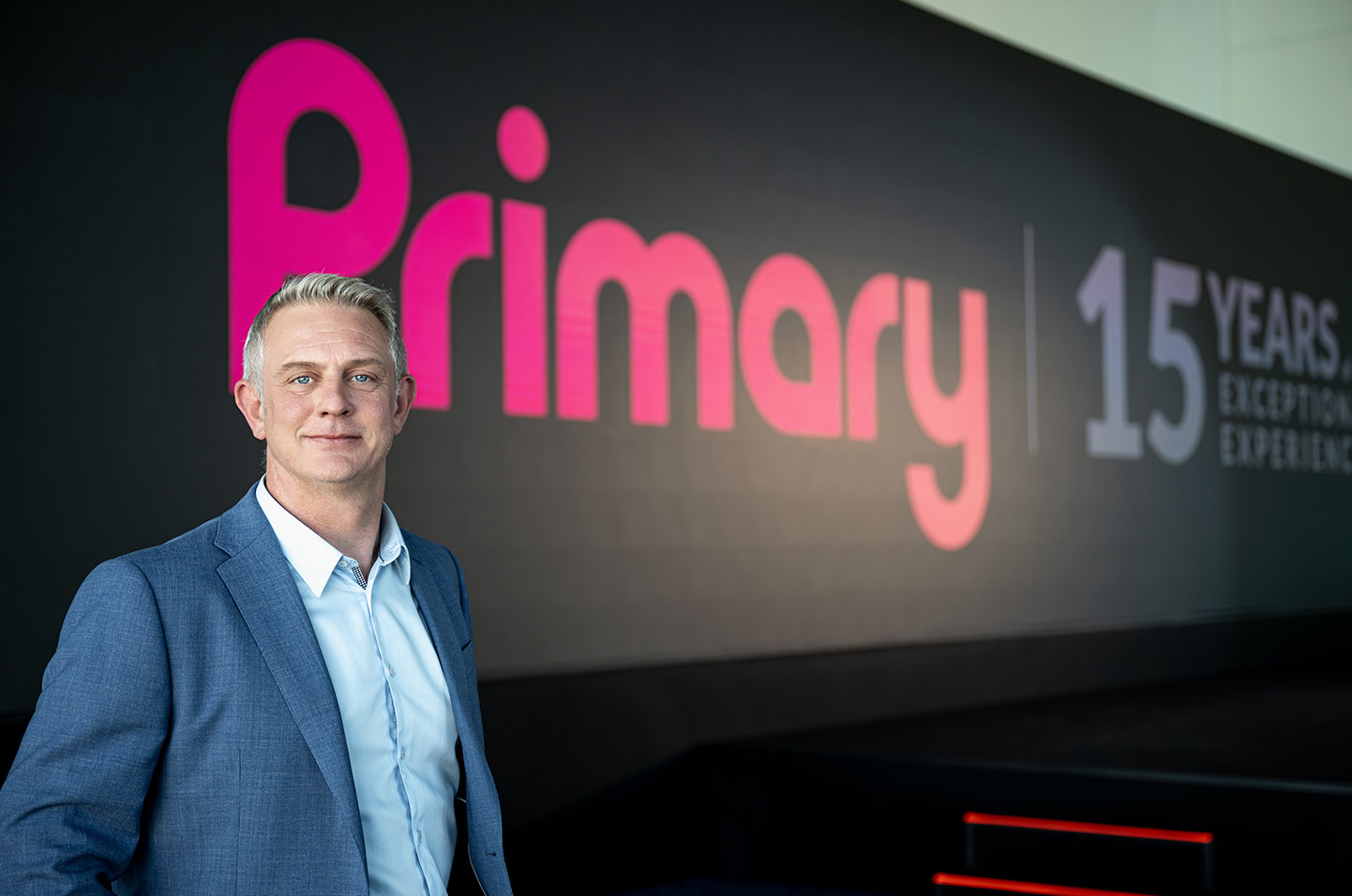


There’s a question that has been front of mind for our MD, Dan Stevens, lately: as the communications landscape has become increasingly specialised, have we lost something important along the way?
This isn’t a call to return to the 90s era of brand, marketing, and events, when the creative and commercial landscape looked very different. Specialism has brought deeper expertise, fresh thinking and greater choice. But as communications have become increasingly fragmented across teams, agencies and disciplines, who is taking responsibility for the bigger picture?
In his latest thought leadership piece, Dan explores whether a gap now exists between communications strategy and execution, and whether a new version of the traditional ‘lead agency’ could emerge to fill it.

The Lead Agency is coming back, just not as we knew it.
The communications landscape has never been broader or more specialised. Today, brands and organisations can call on expertise across brand strategy, advertising, press and PR, internal communications, content, digital, production, live events, media and creative. Each partner brings depth to its discipline, and that specialisation has undoubtedly raised the standard of what our industry can deliver.
But it has also created a new challenge.
For brands, it’s not a lack of capable partners, but ensuring someone connects them.
As responsibility is divided between increasingly specialised teams, it’s easier for the central idea to become diluted somewhere between strategy and execution. The individual elements may be brilliantly delivered yet collectively fail to create the impact they should.
This matters at a time when live experience is becoming increasingly important to the marketing mix. According to The Splash Event Outlook Report 2025, 89% of marketers believe events are critical to business growth.
So, as investment and expectations increase, an interesting question arises: who is responsible for ensuring that experience connects to the bigger strategic picture?
Rethinking the lead agency
There was a time when many major brands routinely appointed a lead agency to protect the integrity of their communications. Agencies such as Saatchi and Saatchi would sit across the wider brand picture, translating the strategy and ensuring everything from advertising to press activity to PR, content, and other communications remained true to the same central message.
The role wasn’t necessarily to deliver everything. It was to understand the strategy, hold the central idea and ensure that, regardless of which specialist was executing each element, the communications remained coherent.
As our industry evolved, that model largely disappeared. In its place came specialism, and with good reason.
I don’t believe the answer is to recreate the agency hierarchies of the past. Brands neither need nor want one organisation attempting to do everything. What they increasingly need, however, is strategic stewardship.
A trusted partner who can see the whole comms landscape, understand how every discipline contributes to the objective and take responsibility for maintaining the strategic thread between them.
That distinction matters.
It becomes particularly important for international organisations. A proposition developed in the US cannot simply be replicated across Europe and expected to resonate in the same way. Markets behave differently; audiences have different expectations, and cultural nuance matters.
Consistency should never mean uniformity. But protecting the integrity of the idea while having the judgement to adapt its expression.
And increasingly, I believe this is where a gap is evident.

Closing the space between communications and experience
We see one disconnect repeatedly: communications teams often work up to an event, and event teams take over when the experience begins.
It sounds logical, operationally.
Strategically, it can be enormously limiting.
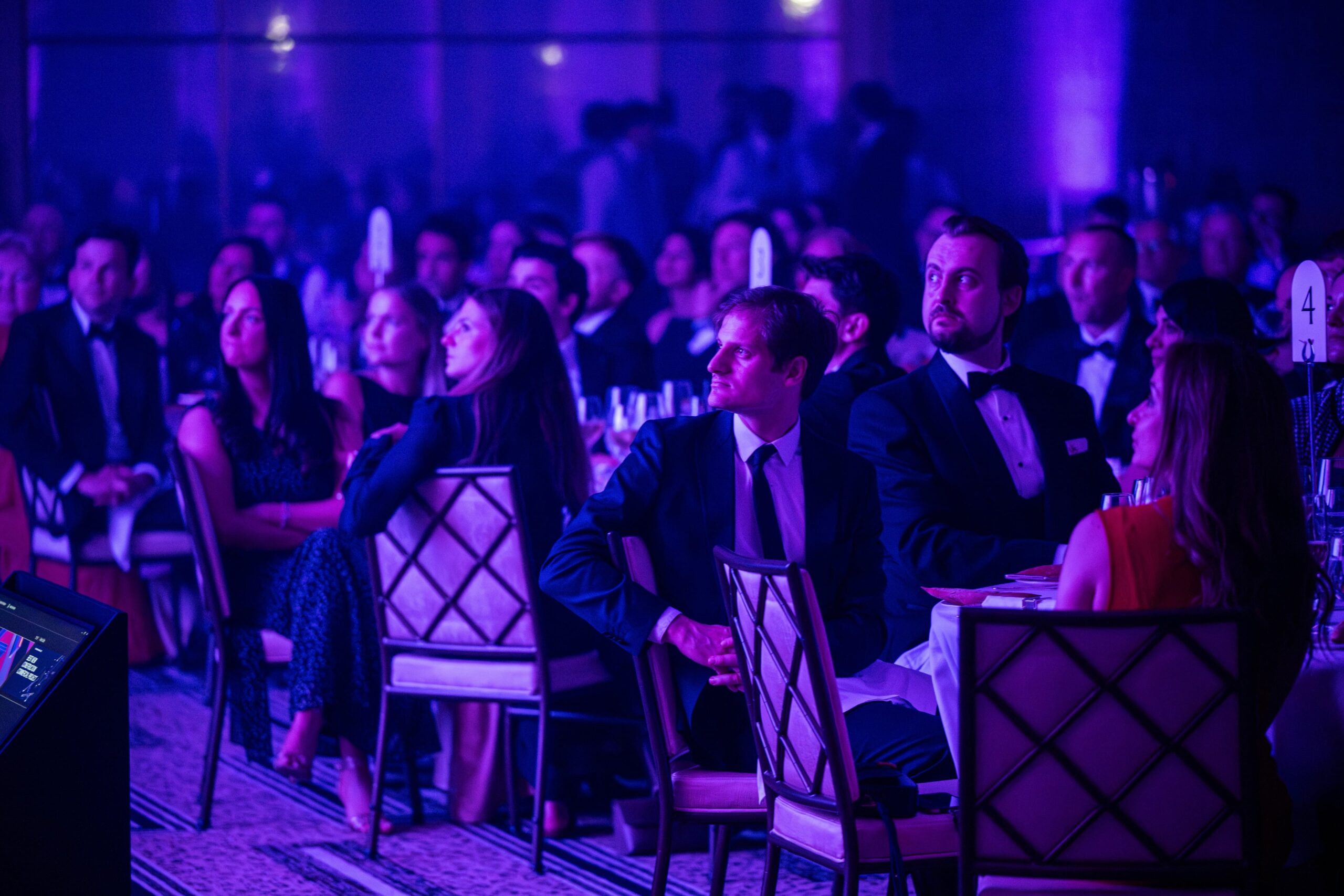
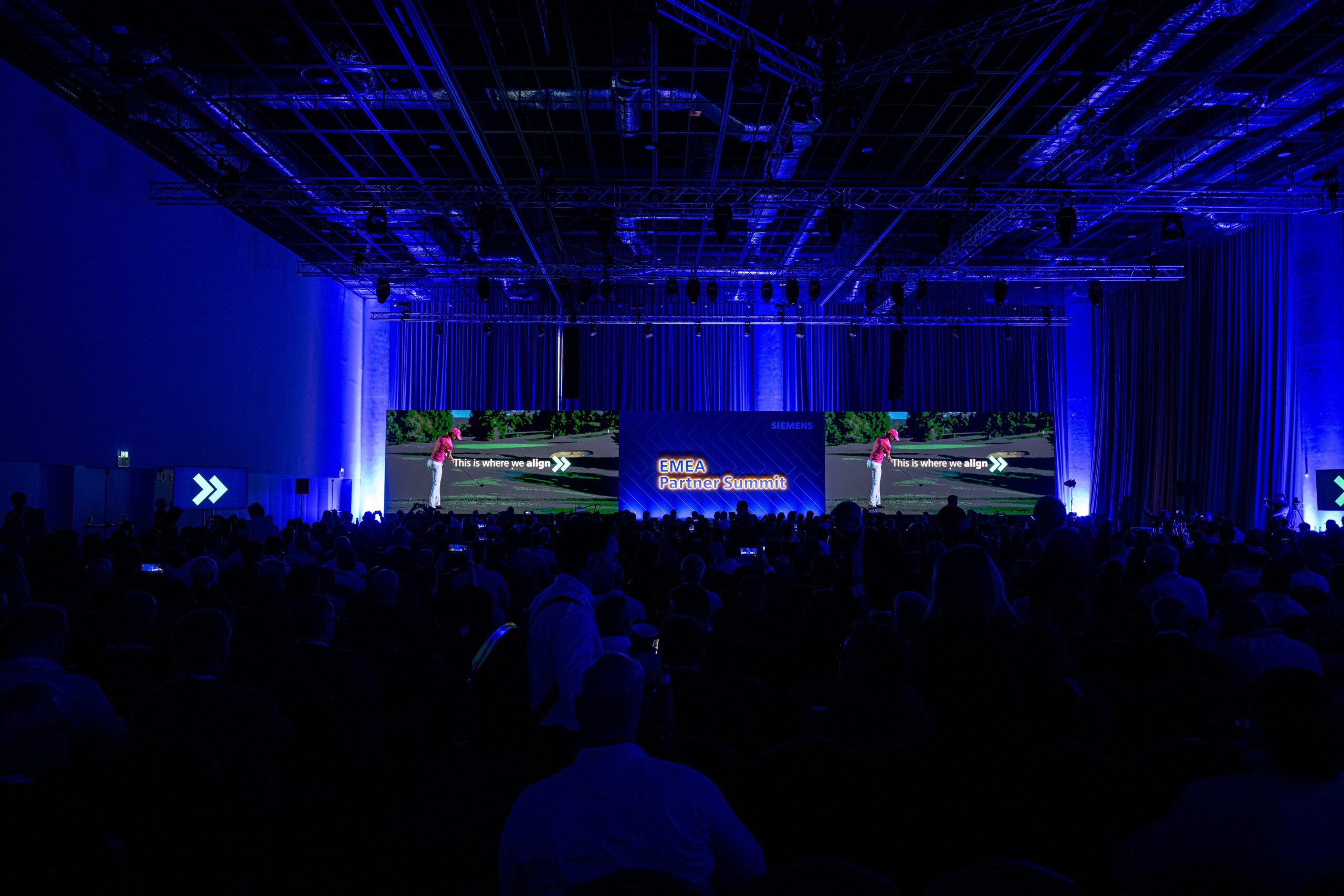
An event is one of the most powerful expressions of a communications strategy. The best live experiences create anticipation beforehand, immerse audiences in an idea during the experience, and generate content, conversation and engagement afterwards.
There are signs that organisations are increasingly recognising this by bringing events back under the wider marketing and communications umbrella, rather than treating them as a standalone activity. That matters: when events sit with the same strategic and budgetary conversations as brand content, PR and campaigns, they can be planned as part of a connected customer, employee or stakeholder journey.
A strong strategic idea can travel through keynote speeches, social content, media activity, thought leadership, internal comms, video, customer conversations, and future campaigns.
Each touchpoint should build on the last, extending both the life and influence of the original investment. When nobody owns that continuity, value is lost.
Not because anything has been delivered badly; every specialist involved will have done an exceptional job. The waste occurs because valuable thinking is duplicated, diluted or simply disappears at the handover between teams.
For me, that’s one of the most significant forms of wastage in our industry: lost strategic value.
Meaningful impact
There is a strong commercial case for getting this right.
The Splash Event Outlook Report 2025 found that 72% of marketers say deals close faster when prospects attend their events, with almost a third reporting that events can shorten the sales cycle by 20 days or more.
But commercial return is only one dimension of impact.
For years, events have understandably been evaluated against familiar metrics: registrations, attendance, leads generated, sales or revenue. Those measures remain important but rarely tell the whole story; attendance will tell us who was there, but not the outcome.
True impact will look different for every organisation. It might mean accelerating a customer relationship or driving product adoption. It could mean enabling knowledge exchange, creating a research collaboration, developing skills, strengthening a community, changing behaviour or influencing a policy.
The questions should be much more defined than “How did the event perform?” to focus on “What did we want to change, and did the experience help us change it?”
Encouragingly, the industry is beginning to think more broadly. Content Marketing Institute’s 2026 research found that 70% of B2B marketers use engagement measures, including attendance, participation and digital interaction, to assess the impact of experiential activity.
That’s an important shift as meaningful ROI isn’t a single metric. It’s understanding whether an experience delivered against the objective it was designed to achieve.
When strategy, communications, content, and experience are connected from the outset, we have a much stronger basis for understanding the lasting value an event has created. Bringing events more firmly into the wider marketing and communications scope should help to accelerate that shift, because their success can be considered against the same brand and business objectives as the activity around them, rather than in isolation.
A new role for independents
All of this points to an interesting shift in the agency landscape.
Traditionally, brands have often faced a choice between the intimacy and specialism of a boutique agency, and the breadth and infrastructure of a large network.
I think there is increasingly valuable territory between the two.
At Primary, we’ve started to think about this as a boutique-plus model: retaining the agility, accessibility, senior involvement and genuine care of an independent agency, while bringing the strategic capability and confidence to take responsibility for a much wider picture.
It’s not about agency size. And it certainly isn’t about controlling every element of a client’s communications, but about being prepared to own the connections between them.
This means asking whether the message is still working as it moves between markets and channels. Whether an event is genuinely advancing the comms strategy and playing its role within the wider marketing plan. Whether different partners are reinforcing one another rather than duplicating effort.
And ultimately, whether all that activity is creating meaningful impact.
The connection value
Our industry doesn’t need to return to the lead agency model of the past. But I do think we need to recover something important that sat at its heart: accountability for the whole idea.
As comms become more specialised, the ability to connect those specialisms becomes more valuable, not less.
The future isn’t a return to the Nineties and Noughties, when one agency did it all. Instead, it’s a blend of exceptional partners offering their speciality, connected by a trusted strategic partner who understands where the organisation is trying to go, protects the integrity of the idea, and ensures every investment contributes to getting there.
In a fragmented communications landscape, rather than offering another specialism, the greatest opportunity may lie in taking responsibility for joining it all together.